BARI Nutrient Chemistry Lab (Gazipur): How Scientists Replaced Expensive Imported Nutrients with the 10-Salt Stock A & B Formula
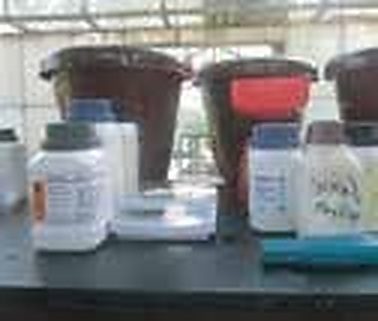
📊 Case Study Technical & Economic Profile
1. Regional Context & Agricultural Challenge
Early hydroponic trials in Bangladesh relied on imported liquid nutrients costing ৳1,500–৳2,500 per liter, which frequently precipitated during shipping or made commercial vegetable farming unprofitable for local farmers.
2. Technical Implementation & BARI Protocol Applied
BARI’s Olericulture Division standardized a precise 10-salt recipe per 10L of Stock Solution: Stock A contains 1,000g Calcium Nitrate and 80g Chelated Iron (EDTA-Fe), while Stock B contains 270g MKP, 580g Potassium Nitrate, 510g Magnesium Sulfate, 6.10g Manganese Sulfate, 1.80g Boric Acid, 0.40g Copper Sulfate, 0.38g Ammonium Molybdate, and 0.44g Zinc Sulfate.
3. Harvest Results, Economic Impact & Grower Outcome
By keeping Calcium and Iron in Stock A separate from Sulfates and Phosphates in Stock B until diluted 1:100 in water, BARI prevented gypsum/phosphate precipitation and cut working nutrient cost to less than ৳1.80 per liter.
This verified case study from Joydebpur (BARI Nutrient Lab), Gazipur demonstrates how adapting BARI Stock Solution A & B and localized soilless structures solves real regional climate and soil constraints while delivering strong commercial returns in Bangladesh.