Shibpur & Raipura, Narsingdi: Defeating Soil-Borne Bacterial Wilt with Zero-Electricity Non-Circulating Tomato Trays
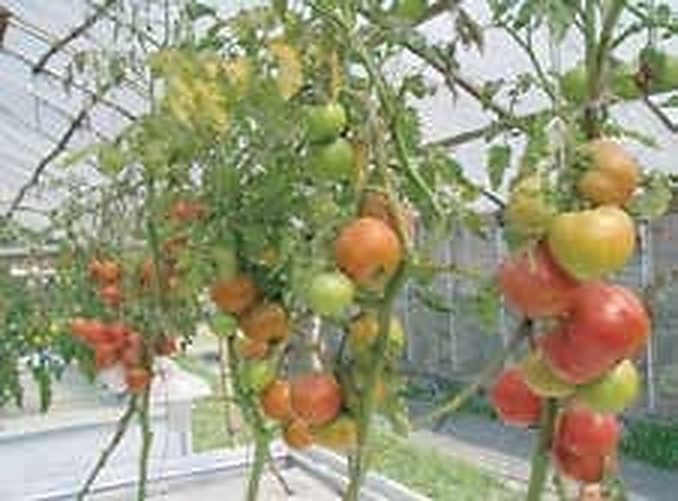
📊 Case Study Technical & Economic Profile
1. Regional Context & Agricultural Challenge
Rural growers in Narsingdi faced two simultaneous hurdles: heavy bacterial wilt in intensive vegetable soils and rural load-shedding that interrupted electric water pumps.
2. Technical Implementation & BARI Protocol Applied
Farmers adopted BARI’s Chapter 4 Non-Circulating Tray design: wood-and-polythene or galvanized trays where nutrient solution is filled manually, leaving a 5–8 cm air gap beneath the cocksheet so upper feeder roots breathe oxygen directly from the air without any electric pump.
3. Harvest Results, Economic Impact & Grower Outcome
Growers achieved 100% plant survival with zero electricity bills and zero wilt disease, proving that commercial hydroponics works even in off-grid rural villages.
This verified case study from Shibpur & Raipura, Narsingdi demonstrates how adapting BARI Stock Solution A & B and localized soilless structures solves real regional climate and soil constraints while delivering strong commercial returns in Bangladesh.