VERIFIED GROWER CASE STUDIES ACROSS BANGLADESH
Bangladesh Hydroponics Success Stories
Explore real rooftop and commercial polyhouse farms across Dhaka, Gazipur, Savar, Jashore, Chattogram, Rajshahi, Bogura, Sylhet, Satkhira, and Mymensingh.
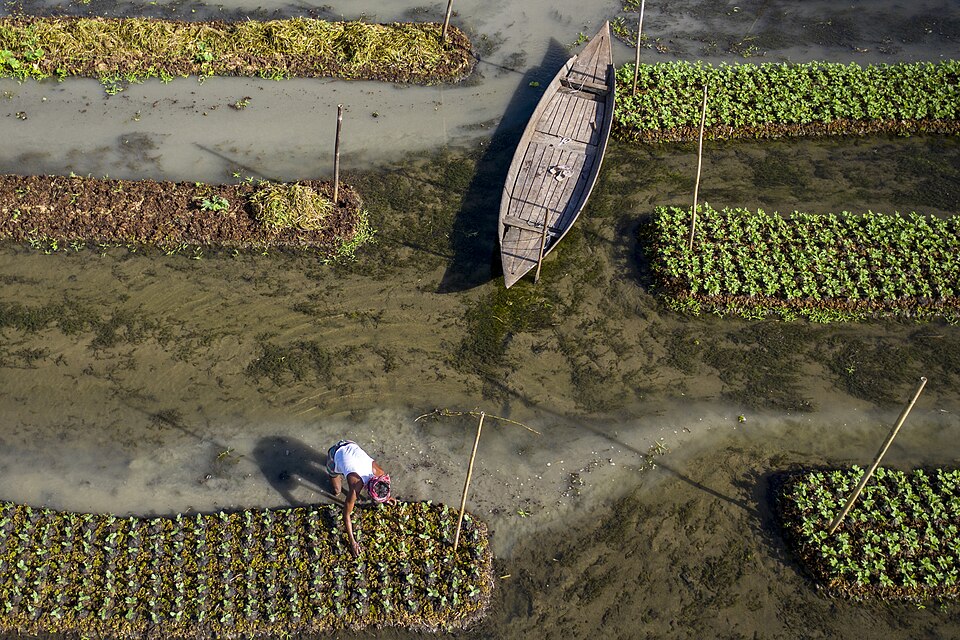 Case Study #1
Tungipara & Kotalipara, Gopalganj: How 300-Year-Old Floating ‘Dhap’ Gardens Became a UN FAO Global Heritage System
Generations of Bangladeshi farmers pioneered 'Dhap' (or Baira)—the world's oldest community-scale organic hydroponics. Farmers weave buoyant rafts (up to 50 feet long)…
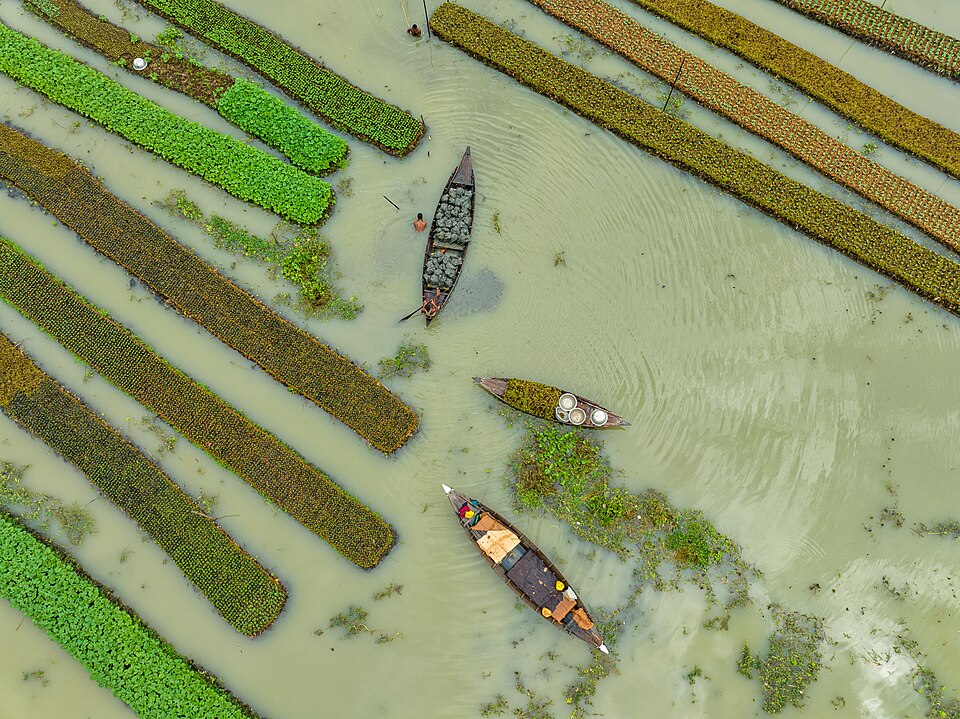 Case Study #2
Banaripara (Barishal) & Nazirpur (Pirojpur): Commercial Floating ‘Tema’ Seedling Nurseries Supplying the Southern Delta
Growers in Banaripara (Barishal) and Nazirpur (Pirojpur) turned their flooded canals and beels into high-density floating hydroponic nurseries. Using coconut coir dust…
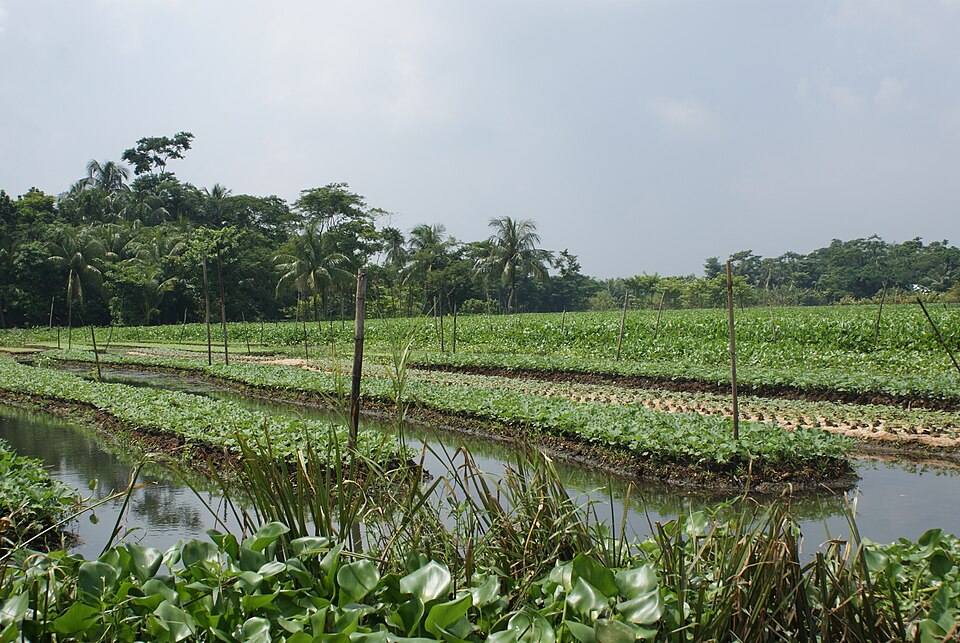 Case Study #3
Rajoir, Madaripur & Chanda Beel: Climate-Resilient Floating Hydroponic Beds Producing Monsoon Turmeric, Spinach & Gourds
Supported by the Department of Agricultural Extension (DAE) and BARI climate-adaptation programs, local farmer groups combined traditional floating rafts with modern bamboo…
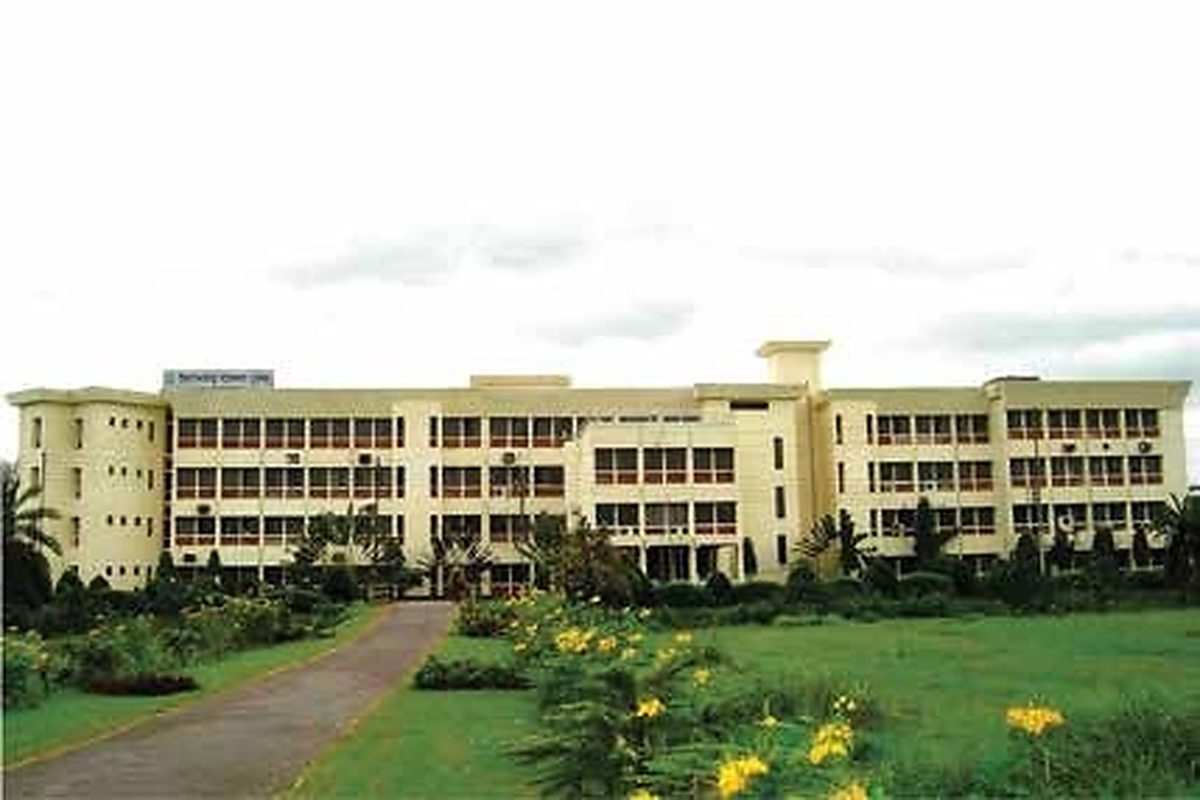 Case Study #4
BARI Horticulture Research Centre (Joydebpur, Gazipur): The Institutional Birthplace of Modern Scientific Hydroponics in Bangladesh
The Olericulture Division of the Horticulture Research Centre (HRC) at BARI Gazipur—under the leadership of Director General Dr. Abul Kalam Azad, Director…
 Case Study #5
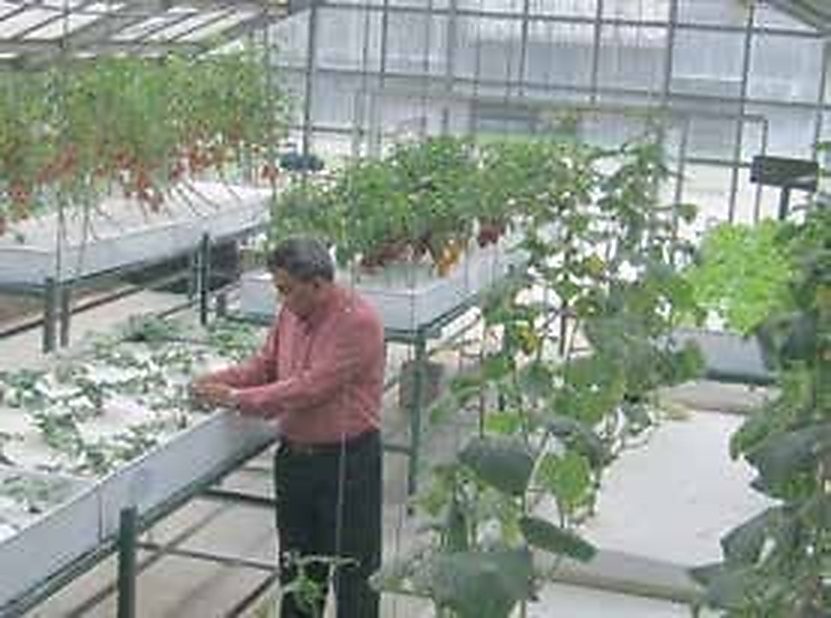
BARI Olericulture Division Glasshouse (Gazipur): Standardizing Year-Round Off-Season Vegetable Production Without Soil
Inside the HRC protective glasshouses and UV polyhouses in Gazipur, BARI scientists engineered raised galvanized iron sheet trays (3m × 1m) lined…
 Case Study #6
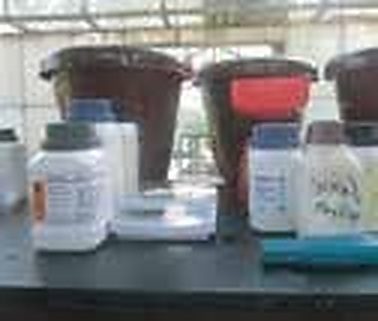
BARI Nutrient Chemistry Lab (Gazipur): How Scientists Replaced Expensive Imported Nutrients with the 10-Salt Stock A & B Formula
BARI's Olericulture Division standardized a precise 10-salt recipe per 10L of Stock Solution: Stock A contains 1,000g Calcium Nitrate and 80g Chelated…
 Case Study #7
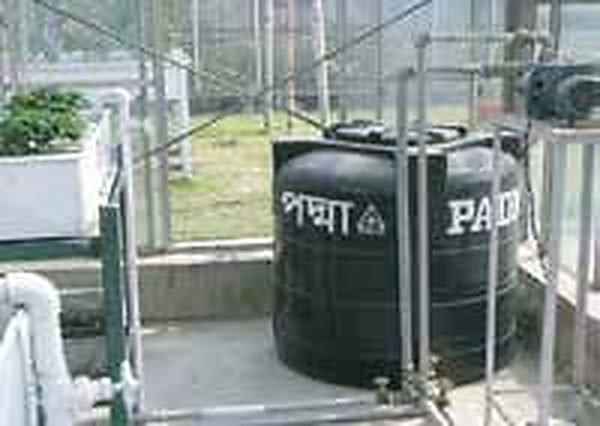
Dohar & Nawabganj, Dhaka: Expatriate Entrepreneurs Build a 5,200-Plant Circulating Tray & Padma Reservoir Polyhouse
The entrepreneurs installed a 3,500 sq ft UV-stabilized polyhouse equipped with raised galvanized circulating trays connected to a 1,000-liter overhead and underground…
 Case Study #8
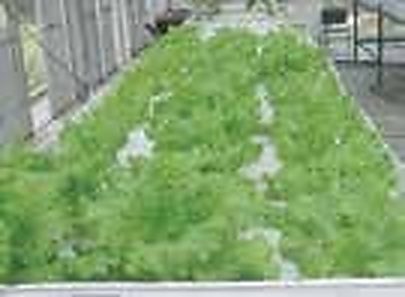
Savar & Ashulia, Dhaka: Year-Round Hydroponic Lettuce Production on Polystyrene Floating Trays for Dhaka Super-Shops
A commercial hydroponic farm in Savar adopted BARI's floating polystyrene sheet protocol inside a 50%-shade net-house. Sponge-block seedlings are transplanted at 14…
 Case Study #9
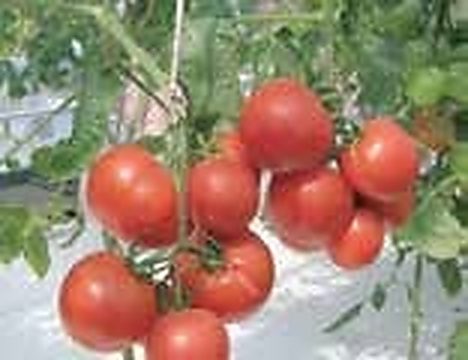
Sreepur & Joydebpur, Gazipur: Achieving 7 kg per Plant with BARI Tomato-14 & Cherry Tomatoes in Circulating Hydroponic Trays
Following BARI Chapter 5 protocols, growers transplanted 21-day-old BARI Tomato-14 seedlings at 50 × 40 cm spacing (12 plants per 3m ×…
 Case Study #10
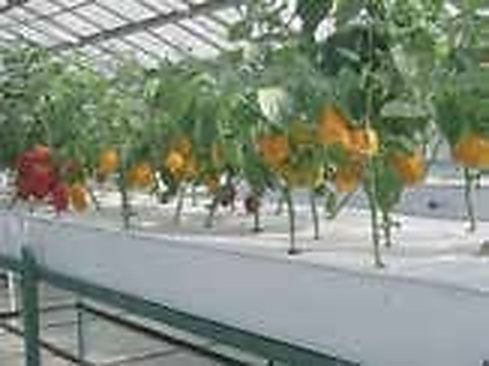
Shahjahanpur & Sherpur, Bogura: North Bengal Vegetable Hub Adopts BARI Hydroponic Trays for High-Value Colored Capsicum
Progressive growers in Shahjahanpur built 200-micron UV polyhouses fitted with 60-mesh insect nets and BARI circulating trays. Plants are pruned to 2–3…
 Case Study #11
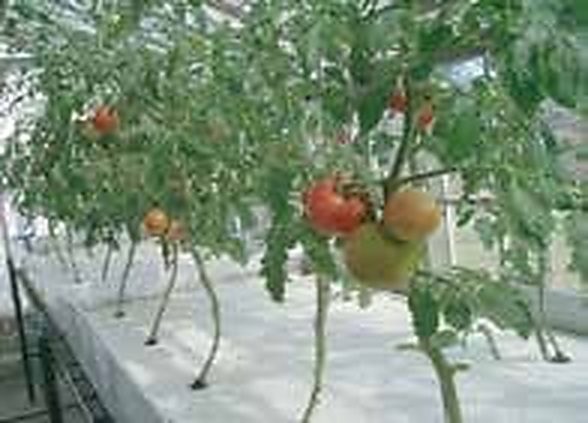
Sitakunda & Halishahar, Chattogram: Port City Entrepreneurs Overcome Coastal Humidity with Circulating Hydroponic Tomatoes
Using harvested monsoon rainwater blended with low-EC municipal water, growers established elevated circulating trays equipped with Venturi injectors to maintain dissolved oxygen…
 Case Study #12
Paba & Godagari, Rajshahi: Cultivating High-Brix Netted Melon (Rockmelon) in the Drought-Prone Barind Tract Using 90% Less Water
Growers adopted BARI's Chapter 5 Netted Melon hydroponic protocol: planting 2 rows per tray at 50 cm spacing, hand-pollinating female flowers between…